
Image Credits: top left: Photo by Pixabay via Pexels; top right: Photo by Pixabay via Pexels;
bottom left: Photo by Jess Loiterton via Pexels; bottom right: Photo by Marta Branco via Pexels
Table of Contents
Plant Diversity Equals Microbiome Diversity
Time It Takes To Improve The Microbiome
Pesticides
Further Reading And References
Plant Diversity Equals Microbiome Diversity
The number of different types of plant foods eaten is positively correlated with the diversity of bacteria in the gut. Greater bacterial diversity helps guard against conditions such as IBS. In fact, comparing people who eat just a few types of plants a week with those who eat over 30 types of plants, the effect on the microbiome of the former, is worse than comparing those who had recently been on antibiotics. (2) It is also related to an increase in conjugated linoleic acid, which reduces inflammation, cardiovascular disease and antibiotic resistant genes (1).
A Guardian newspaper journalist had his microbiome tested and could relate the results to the food that he was eating. He had 51% firmicutes bacteria which produce enzymes that break down complex carbohydrates to produce butyrate, an energy source for the intestinal lining, controlling proliferation of those cells, thought to possess anti-carcinogenic properties and enlist regulatory T-cells, immune cells that control the processes involved in inflammatory bowel disease and irritable bowel syndrome. He ate dietary fibre and pectin containing foods three times more than typical. This correlated with the presence of Lachnospira which degrade both of these. The bacteroides found related to his meat-based, high protein, high fat diet and alistipes associated with those who eat less plant-based food. His microbiome showed evidence of high fibre consumption, though, which acts as feed for the microbiome. He makes a sobering thought that if we don’t feed the bacteria in our guts, they feed off us, such as the mucus lining of the large intestine, placing importance on diversity, since microbiota can collapse from narrow diets. He noted that lab raised mice, free of bacteria, don’t develop an effective digestive system or proper immune system – they need to consume much more food to extract calories. Additionally, if the mucus lining of the large intestine is compromised by being used as bacterial feed, there is the risk of potentially harmful bacteria spreading all over the body causing infection or disease (5).
Gut bacteria can influence health markers beyond the digestive system including changes in mood, mental health, tendency towards obesity, cardiovascular issues and other diseases. In terms of bacterial diversity each person has 150-250 bacterial types in their gut. It has been found that those with diseases have a less diverse microbiome, tending to be closer to 150 than 250 bacterial types. Some people eat the same lunch and three or four main dishes in the evening with the occasional eating out and this being across a whole year. Even if a diet has plenty of fruit and vegetables and whole grains, a predictable dietary routine will not do a huge amount towards bacterial diversity. In practical terms this might mean fish eaters not always eating just salmon and whole grains not just being wholegrain bread.
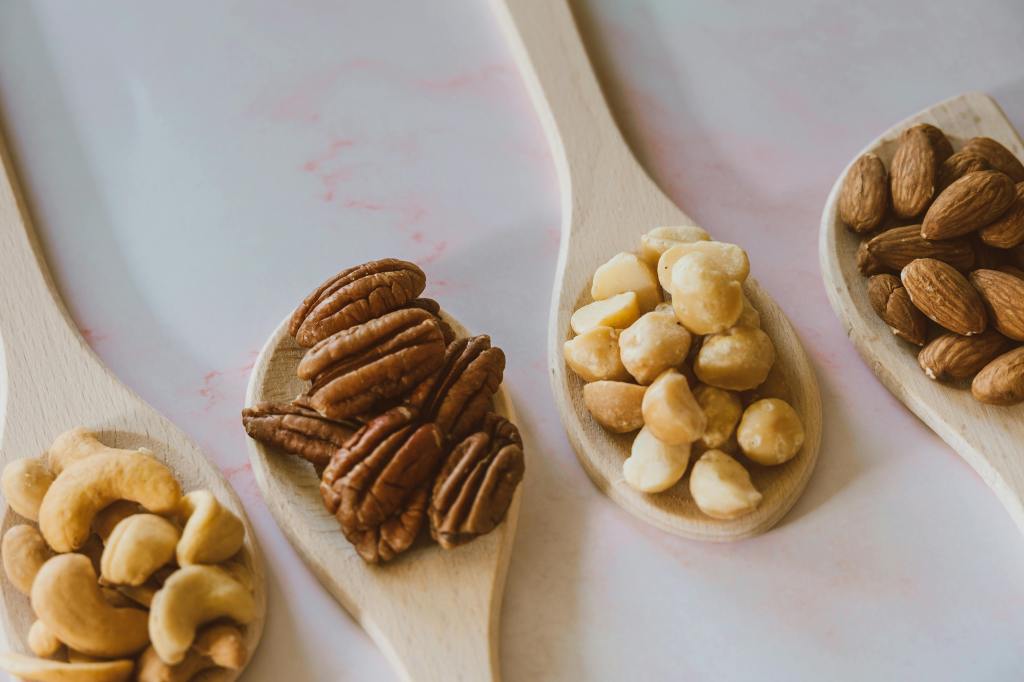
It is not just the source of fibre from grains, nuts, vegetables and fruit, but different cooking methods and how much of a food is eaten will affect the gut microbiome differently. No one fibre source has been found to be more beneficial than another, but the number of sources helps. For instance if all your fibre comes from oats, it is not as beneficial as eating oats plus wholegrains, nuts, vegetables and fruits.
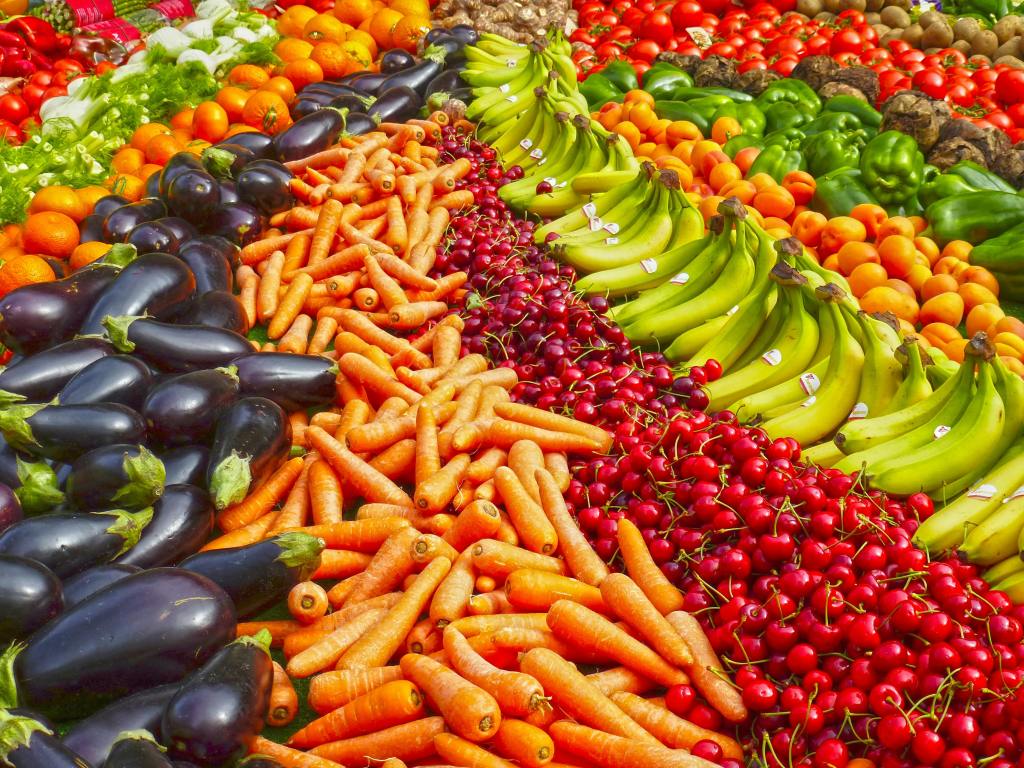
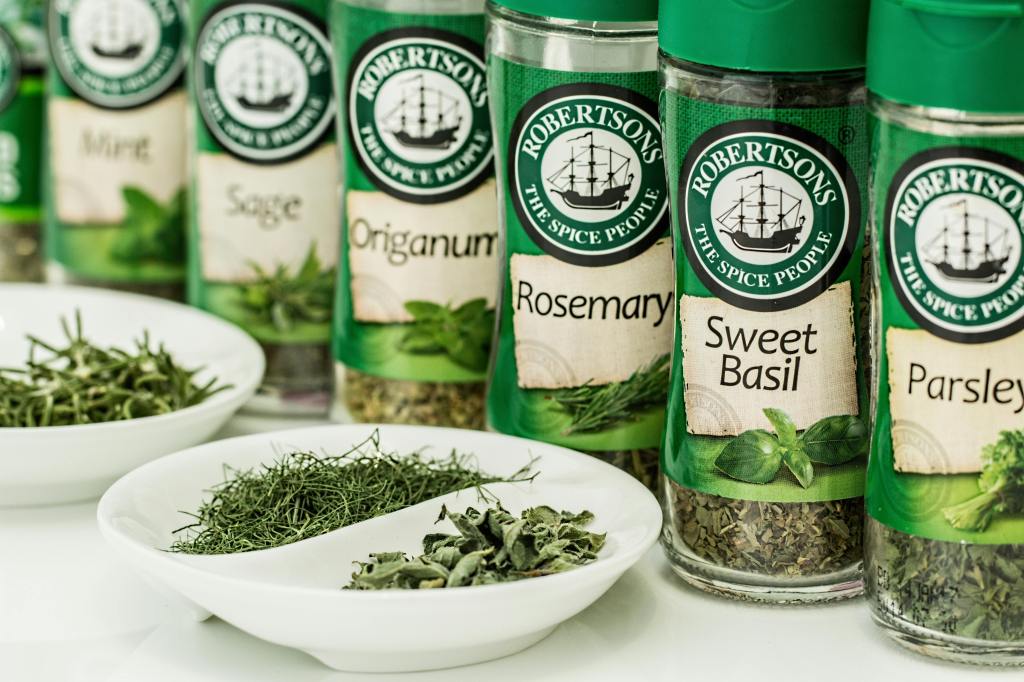
Trying to pack in 30 types of plants per week may seem daunting, but a surprising number of foods count towards this – herbs and spices are on the list and even tea and coffee. Each plant food can only be counted once during the whole week, though.
Time It Takes To Improve The Microbiome
In a study, surprisingly, it was found that changes in the variation and abundance of bacteria in the gut happened quickly, within three or four days of a big shift in what a person eats. Changes in the amount of bile acid secreted into the stomach were also observed. They found that bacteria native to food-microorganisms, such as those used to produce cheeses and cured meats where surprisingly resilient and colonised the gut along with species already in the microbiome.
Pesticides
If you are concerned about pesticide residues that may be found in plant based foods, there is useful analysis of this here. You will need to download the document to be able to read it and see the full food list. It might be a useful guide concerning specific plant based foods that you may wish to buy as the organic version, to reduce pesticide consumption, if you are able.
Further Reading And References
(4) Martha Henriques: How to eat your way to a healthy gut, BBC FUTURE,
24th April 2020
(7) Nutrition Scotland: 30 Plants a Week: The New 5-a-Day?, March 24, 2023
 IBS Researcher