
Image Credits: top left: Photo by Susanne Jutzeler, suju-foto via Pexels; top right: Photo by Pixabay via Pexels;
bottom left: Photo by Jess Loiterton via Pexels; bottom right: Photo by Snappr via Pexels
Table of Contents
Polyphenol Importance & The Microbiome
Polyphenol Benefits
Foods Containing Polyphenols
Further Reading And References
Polyphenol Importance & The Microbiome
Polyphenols have antioxidant, anti-inflammatory and anti-proliferative (prevent or reduce the spread of malignant cells) activity. They are broken down by enzymes produced by gut bacteria into phenolic acids, which have anti-inflammatory capability. This means that the microbiome plays an important part in making polyphenol health promoting properties available to the body. (1)
In fact there is a two-way interaction between polyphenols and the microbiome, in that not only do gut bacteria increase polyphenol bioavailability, polyphenols, in turn, promote increases in beneficial bacteria and suppresses increases in pathogenic bacteria. (2)
Polyphenol Benefits
- May lower risk of Type 2 diabetes, particularly flavonoids, which can be found in unprocessed cocoa (3)
- Reduce the risk of cancer, neurodegenerative diseases, and heart disease (5)
- Reduce inflammation – for example intake of lignans, which can be found in virgin olive oil, flaxseed and whole grain rye flour were associated with lower levels of inflammation measures. Long term inflammation is associated with cancer and heart disease (3)
- Reduce heart disease risk factors – cocoa polyphenols have been found to reduce blood pressure, reduce bad cholesterol and increase good cholesterol (3)
- May help to regulate body weight, since higher flavonoid intake has been associated with lower BMI (body mass index) and waist circumference. Important due to obesity being associated with many chronic diseases (3)
- Protect against oxidative stress (5)
- Strengthen immune function, metabolism, gut health, and cognitive function (5)
- Through polyphenols like quercetin and resveratrol, support the repair of damaged mitochondria, which drive cellular function and thus fundamental biological processes, which can function less efficiently due to decline and can lead to neurodegenerative disease and cancer (5). Quercetin, which can be found in broccoli, apples, berries, and onions, reduces oxidative stress and inflammation, helps eliminate aging cells, improves skin health, targets age-related tissue damage, and reduces the risk of frailty in the elderly (5)
- Support autophagy, which breaks down and reuses old or damaged cell components. This function reduces as we age, which can lead to neurodegenerative diseases by not clearing damaged proteins and organ parts, thus increasing protein aggregations (5)
- Show potential for protecting against genetic damage by repairing deoxyribonucleic acid (DNA) and maintaining genomic stability (5)
- Neuroprotective, anti-inflammatory, and antioxidant properties have been found in the polyphenol ellagic acid, found in walnuts, raspberries, and pomegranates. Ellagic acid helps to extend lifespans, by reducing genetic damage and free radicals and produces urolithin-A which assists energy generation (mitochondrial health) and muscle health (5)
- Enhance skin elasticity and reduces wrinkles by stimulating the production of collagen, specifically via the polyphenol, gallic acid, found in nuts, grapes, and pomegranates (5)
- Have been found to extend life spans in mice and fruit flies by reducing inflammation and targeting aging cells via the polyphenol, rutin, which is present in buckwheat and citrus fruits (5)
- Improve cognitive function and prevent age-related neurodegenerative diseases via the polyphenol, fisetin, contained in strawberries and several other fruits by crossing the blood-brain barrier. Fisetin also improves skin health by removing aging skin cells (5)
- Enhance blood vessel health, support bone strength, and prevent cancer via anthocyanins, found in raspberries, blueberries, and other berries in addition to reducing oxidative stress and stimulating autophagy (5)
Foods Containing Polyphenols
- Cloves and other seasonings including dried peppermint, star anise
- With 15,188 mg polyphenols per 100 g, cloves had the most polyphenols in a 2010 study of 100 foods richest in polyphenols. Dried peppermint came in second with 11,960 mg and star anise came third with 5,460 mg.
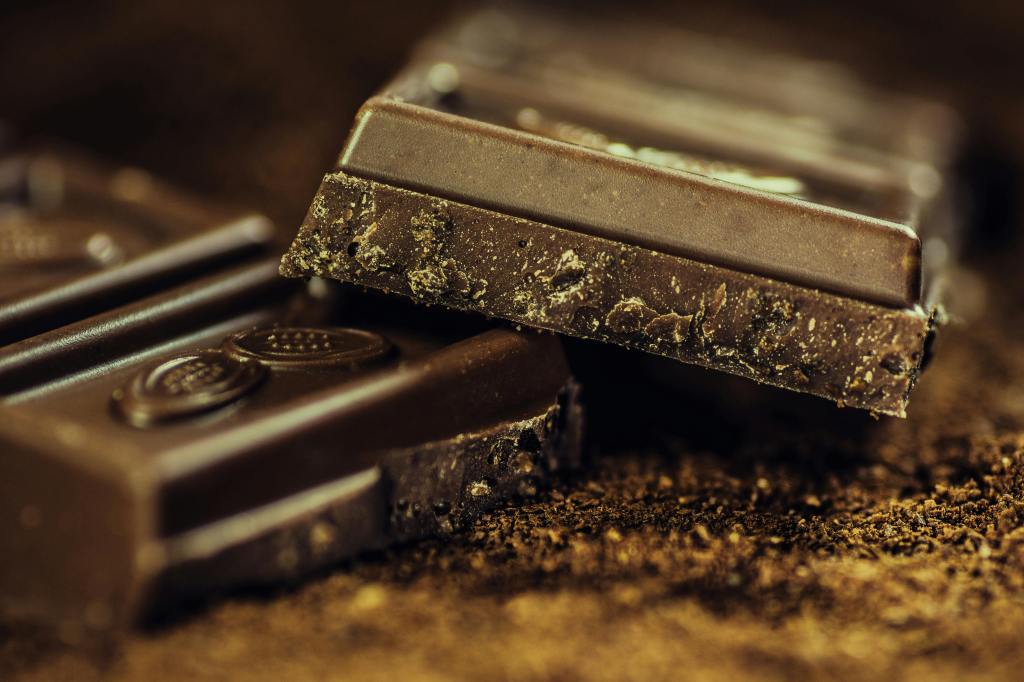
- Cocoa powder and dark chocolate
- In the same study cocoa powder came fourth with 3,448 mg, dark chocolate came eighth with 1,664 mg, though milk chocolate came in at 32 with lower cocoa content.
- Berries
- Many berries are rich in polyphenols including:
- Black chokeberry, with more than 1,700 mg polyphenols per 100 g – the berry with the most
- highbush blueberries, with 560 mg polyphenols
- blackberries, with 260 mg polyphenols
- strawberries, with 235 mg polyphenols
- red raspberries, with 215 mg polyphenols
- Many berries are rich in polyphenols including:
- Non-berry fruits
- A large number of non-berry fruits contain high amounts of polyphenols, including:
- black currants, with 758 mg polyphenols
- plums, with 377 mg polyphenols
- sweet cherries, with 274 mg polyphenols
- apples, with 136 mg polyphenols
- fruit juices like apple juice and pomegranate juice also contain high numbers
- A large number of non-berry fruits contain high amounts of polyphenols, including:
- Beans
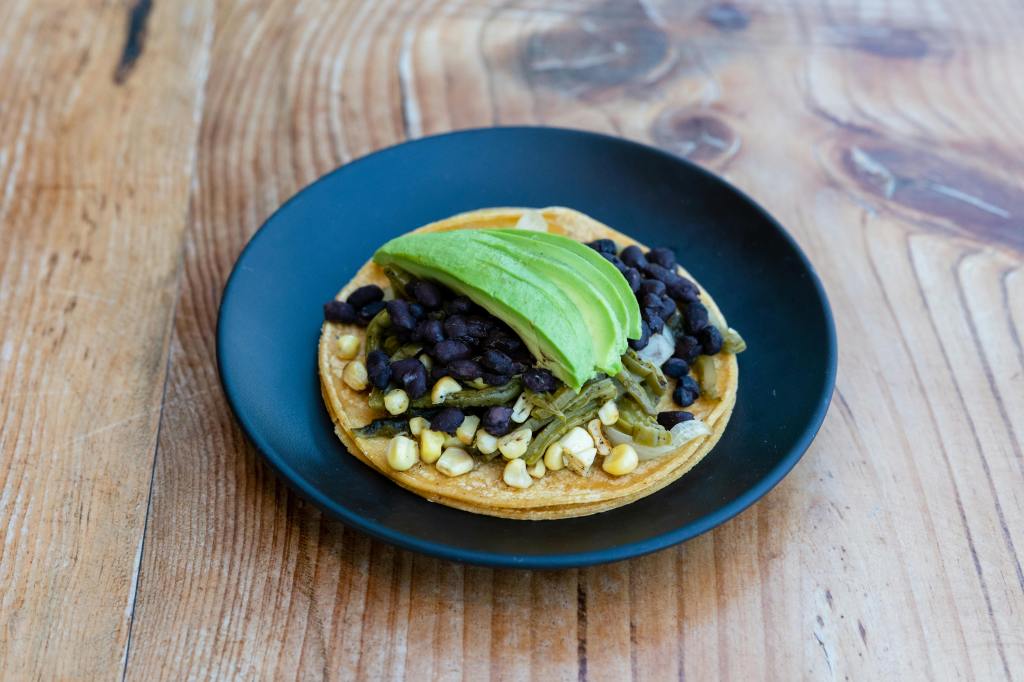
- Black beans and white beans have the highest number of polyphenols.
- black beans have 59 mg per 100 g
- white beans have 51 mg
- Black beans and white beans have the highest number of polyphenols.
- Nuts
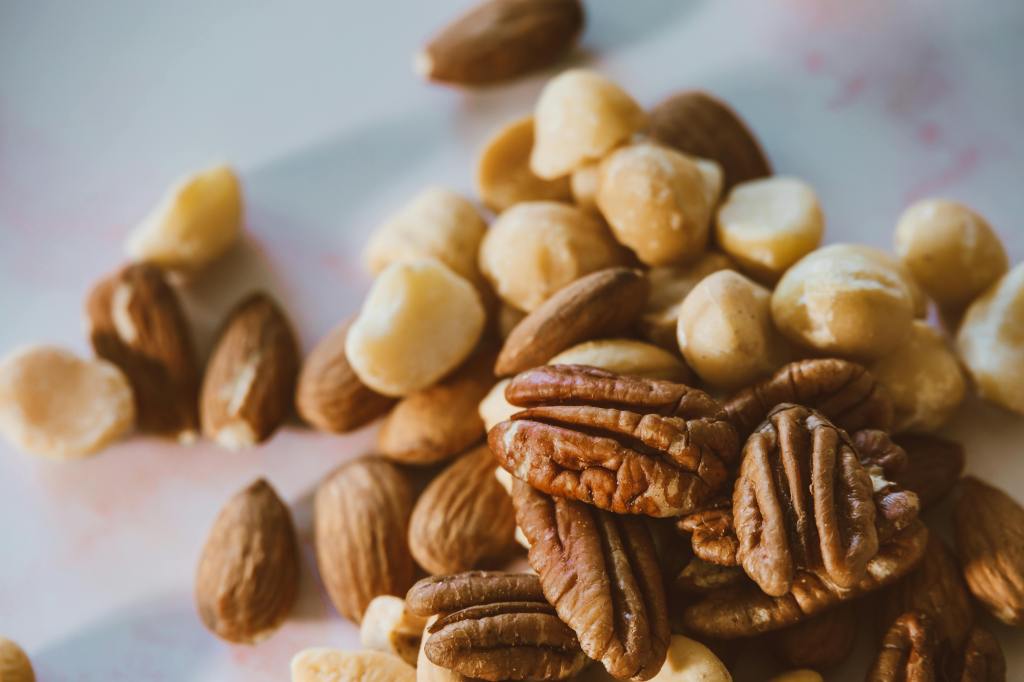
- Nuts are full of protein, though high in calories some nuts also contain high amounts of polyphenols.
- A 2012 study found significant levels of polyphenols in a number of both raw and roasted nuts. Nuts high in polyphenols include:
- hazelnuts, with 495 mg polyphenols
- pecans, with 493 mg polyphenols
- almonds, with 187 mg polyphenols
- walnuts, with 28 mg polyphenols
- Vegetables
- Vegetables tend to have less polyphenols than fruit, though some are high in polyphenols including:
- artichokes, with 260 mg polyphenols
- chicory, with 166–235 mg polyphenols
- red onions, with 168 mg polyphenols
- spinach, with 119 mg polyphenols
- Vegetables tend to have less polyphenols than fruit, though some are high in polyphenols including:
- Soy
- Many forms of soy contain large numbers of polyphenols. These forms include:
- soy flour, with 466 mg polyphenols
- soy tempeh, with 148 mg polyphenols
- soy yogurt, with 84 mg polyphenols
- tofu, with 42 mg polyphenols
- soybean sprouts, with 15 mg polyphenols
- Many forms of soy contain large numbers of polyphenols. These forms include:
- Black and green tea
- black tea, with 102 mg polyphenols per 100 millilitres (mL)
- green tea has 89 mg
- Red wine
- The high number of polyphenols in red wine contributes to its antioxidant count
- Red wine has a total of 101 mg polyphenols per 100 mL
- Rosé and white wine, while not as beneficial, still have some of polyphenols, with 100 mL of each having about 10 mg polyphenols
Further Reading And References
(3) Megan Ware, RDN, L.D, Medically reviewed by Natalie Olsen, R.D., L.D., ACSM EP-C: Why are polyphenols good for you?, medicalnewstoday.com, October 18, 2017
(4) Ana Gotter, Medically reviewed by Natalie Olsen, R.D., L.D., ACSM EP-C: Top Foods with Polyphenols, healthline.com, Updated on March 8, 2019
 IBS Researcher